TCC-CIMET Engages Kumasi Technical Institute on Fabrication and Forming Techniques
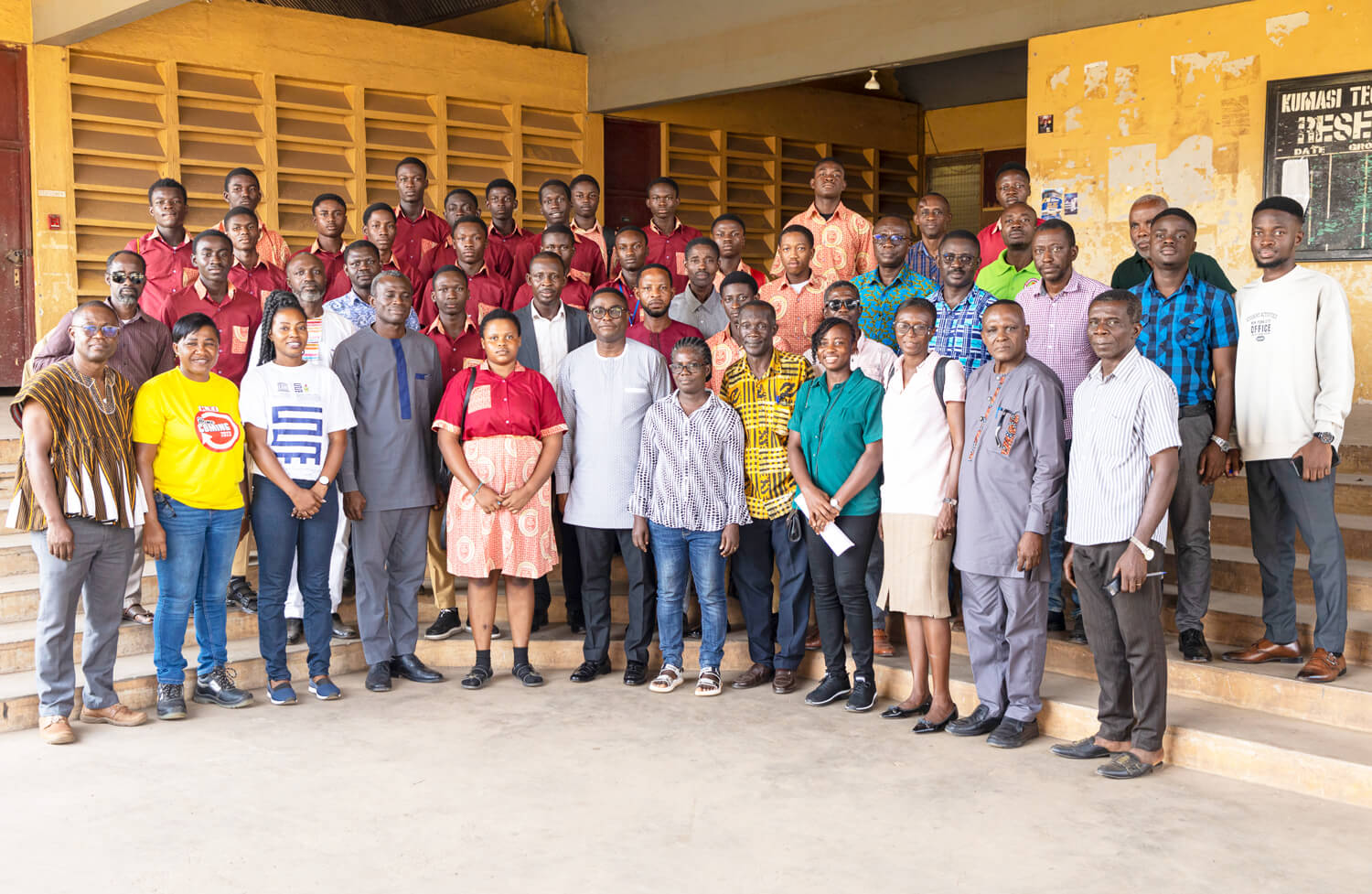
Kwame Nkrumah University of Science and Technology’s Technology Consultancy Centre for Innovation, Manufacturing, Entrepreneurship, and Transfer has engaged the Kumasi Technical Institute in a dialogue on fabrication and forming techniques.
The purpose of this dialogue is to enable students and faculty to share knowledge on advances in manufacturing techniques through innovative fabrication and forming skills in TVET to support local industries in Ghana.
The students and faculty were organized into groups to exchange ideas on advancing manufacturing techniques.
Some groups highlighted several issues they considered as challenges and threats, including outdated curricula, the importation of materials such as machine parts and finished products like sofas and chairs, and the preference for metal over wood in roofing buildings, amongst others.
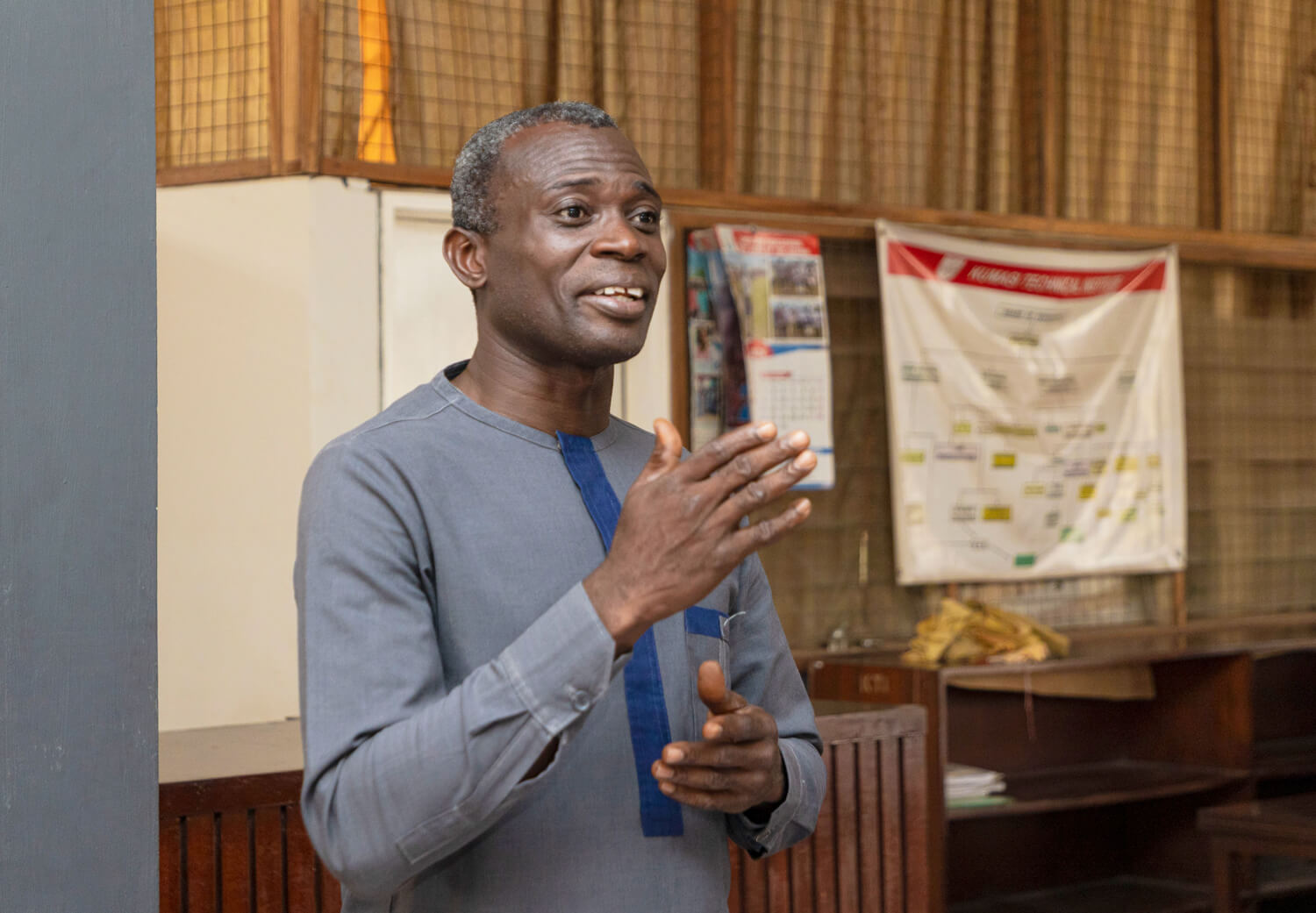
Director of Research and Innovation, Dr. Eric Opoku Osei, encouraged facilitators not to wait for curriculum reviews to incorporate innovative methods.
“We know you work with a curriculum, but don’t wait for the curriculum to be reviewed before you incorporate the new methods in your lecture plan. Give it to them as assignments, project work, etc., and expose them to these new methods,” he said.
Dr. Eric Opoku Osei, Director of Research and Innovation
Dr. Asante, Research Fellow at TCC
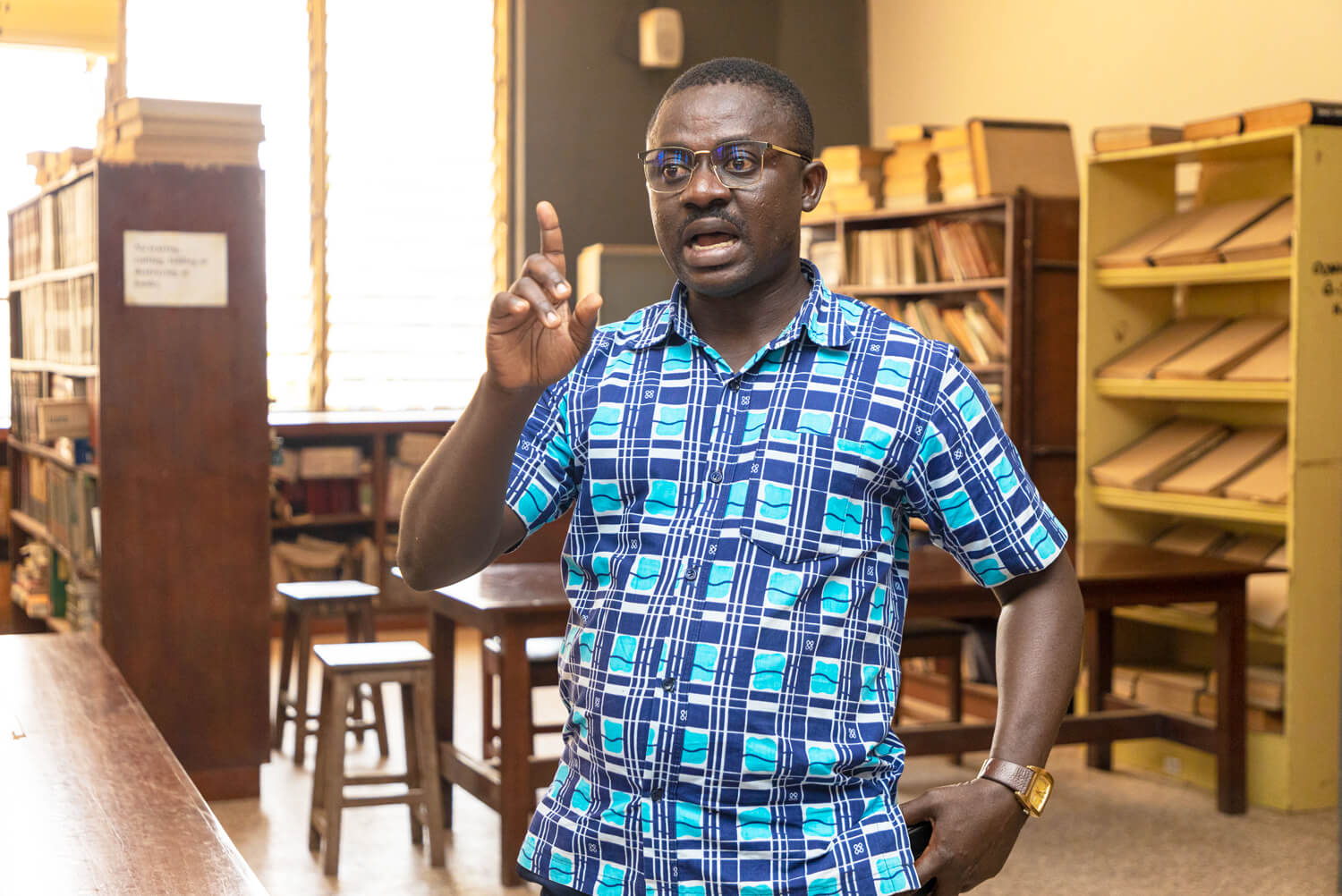
Research Fellow at TCC, Dr. Asante, emphasized the need for students to be given the opportunity to express their innovativeness by allowing them the freedom to select their own projects.
“I think that students should be given the opportunity to select their own projects. If you do the selection for them, it kills any innovative idea they might have thought of because, by compulsion, they must do what you have given them. You may never know the idea that a student has been nursing in his mind,” he said.
Ing. Peter Adu Boahene, The Vice Principal Academics and Skill Delivery at Kumasi Technical Institute

The Vice Principal academics and skill delivery at Kumasi Technical Institute, Ing. Peter Adu Boahene attributed the preference for metals over wood to sustainability issues.
“The reason why metals are preferred over wood in building is because of sustainability. If the metal is going to be more sustainable than the wood, people are likely to go for the metal. Apart from that, you need to find innovative ways of using the waste materials that come from the use of wood in these buildings,” he said.
He also remarked on the need for specialization and skill mastery.
“We seem to be jack of all trades and masters of none. Find that one thing you’re good at and master the skill by doing it over and over again. If we do this, our finishing will become better, and we won’t have people trying to do things even if they are not good at it,” he said.
He expressed his appreciation to the management and staff of the Technology Consultancy Centre for engaging their minds on the topic.
Was this article helpful?
TCC-CIMET
AdminStay up to date with what's happening at TCC-CIMET and within the KNUST community
Related post:
- TCC-CIMET, GTVET Meet Artisans at Suame Magazine on Government’s WEL Initiative
- TCC-CIMET Management Welcomes Team Ghana Following Their Success at the Digital Action Challenge in Copenhagen, Denmark
- KNUST Partners with Obuasi Municipal Assembly for Sustainable Development
- TCC-CIMET Partners to Build Capacity for Mining Engineering Professionals in Africa
- TCC-CIMET Researcher Collaborates with ETH Zurich on Sustainable Construction
- TCC-CIMET Explores Collaboration Opportunities at Aalto University Fab Lab
- Prof. Davis Showcases TCC-CIMET at the #43rdUNESCO General Conference
- Agricultural Engineering Students Successfully Complete Internship at TCC-CIMET Cookstove Lab
- TCC-CIMET Partners with Cocoa Hackathon to Drive Innovation in the Cocoa Value Chain
- TCC-CIMET Holds 11th Management Meeting to Review Performance and Plan Ahead